

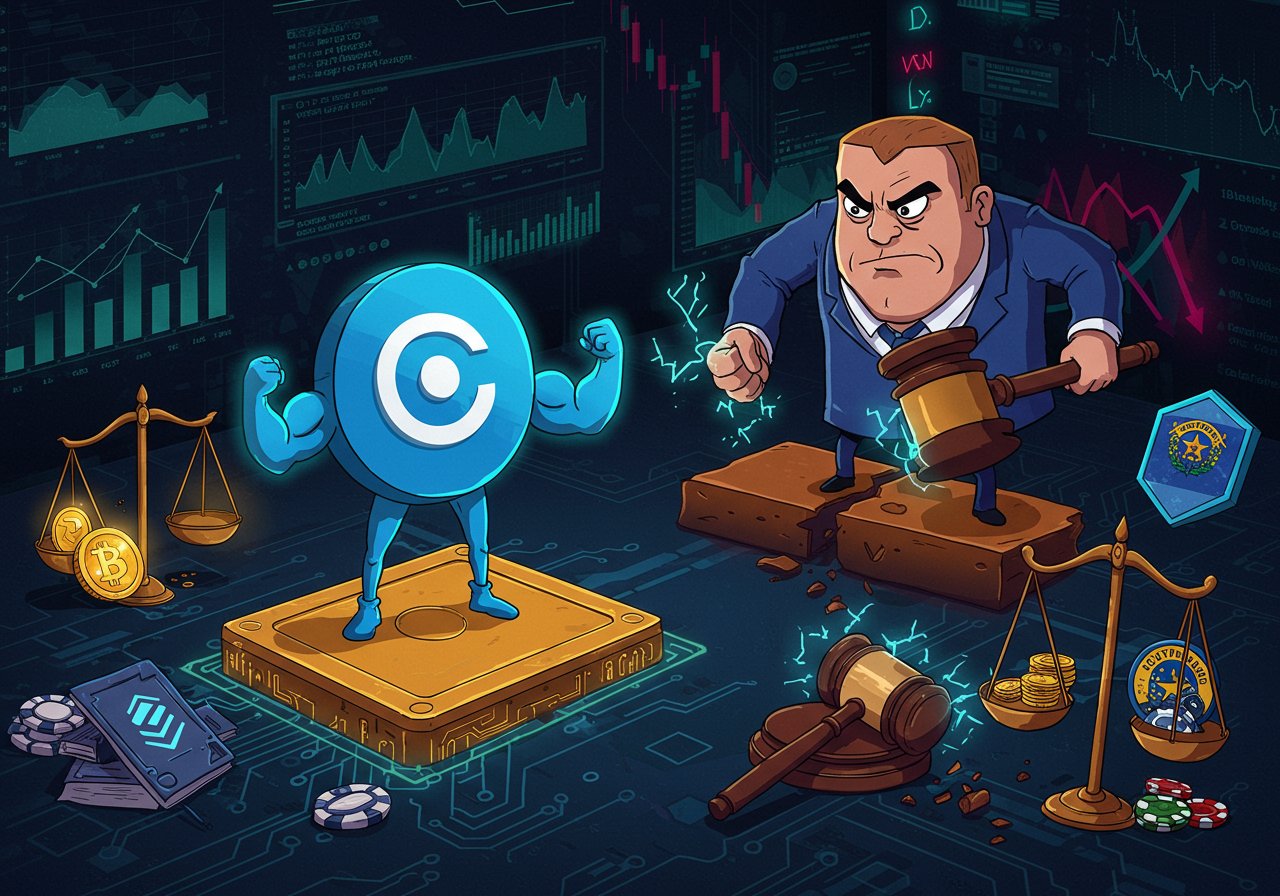
Coinbase Defends Prediction Markets: Nevada Loses Early Battle
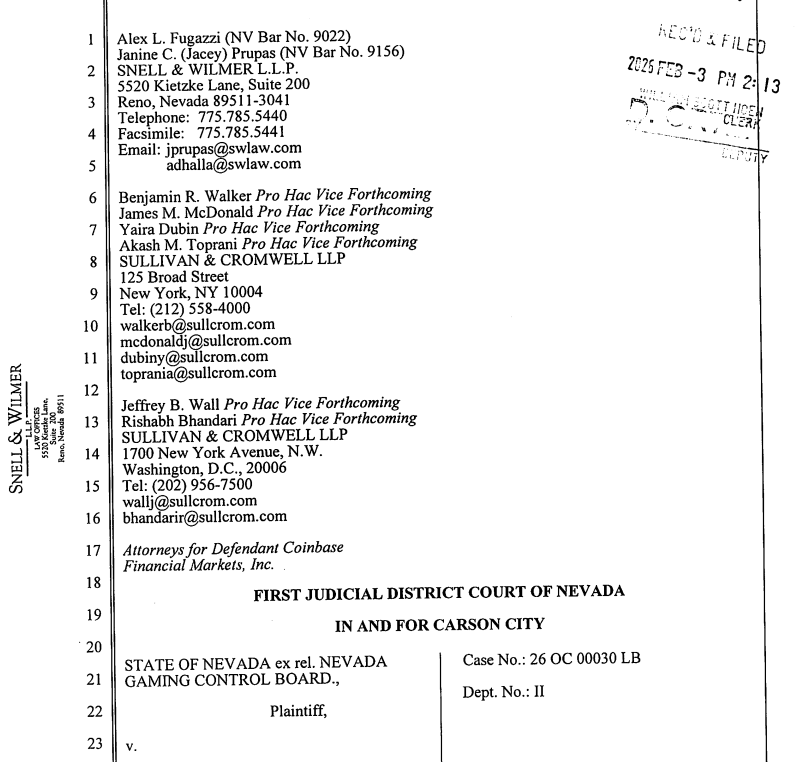
In a recent legal development, Coinbase has successfully fended off an initial attempt by Nevada regulators to halt the exchange’s burgeoning prediction market offerings. A Nevada state judge denied the Nevada Gaming Control Board’s (NGCB) request for an emergency temporary restraining order (TRO), allowing Coinbase to continue its operations for the time being. This decision marks a significant, albeit preliminary, victory for the crypto exchange as it navigates the complex regulatory landscape surrounding prediction markets.

The Core of the Dispute: State vs. Federal Jurisdiction
The core of the legal wrangling centers on the division of regulatory power. The NGCB sought to classify Coinbase‘s prediction market offerings as unlicensed wagers, thereby falling under its jurisdiction. However, Coinbase is vigorously arguing that these event contracts are regulated by the Commodity Futures Trading Commission (CFTC) and thus fall under federal, not state, oversight. This argument hinges on the premise that Congress granted the CFTC “exclusive jurisdiction” over swaps and event contracts traded on regulated exchanges, effectively preempting state regulations.
Coinbase‘s Legal Strategy and Future Prospects
Coinbase is not only battling in Nevada state court but has also escalated the fight to federal court, seeking to block the state’s enforcement efforts. Coinbase Chief Legal Officer Paul Grewal emphasized the company’s stance, stating that the CFTC has exclusive authority over the contracts. The exchange’s strategy appears to involve leveraging the CFTC’s existing oversight of similar products offered by platforms like Kalshi, which is registered with the CFTC and continues to operate in Nevada.
A Broader Trend: States Challenging Prediction Markets
Nevada‘s actions are indicative of a broader trend of state regulators scrutinizing prediction markets. Other states, such as Tennessee, have also moved to restrict or halt access to event contracts, highlighting the growing tension between state and federal authorities regarding this nascent market segment. This pattern of state-level pushback underscores the uncertain legal terrain that prediction market platforms currently face.
Potential Implications and Future Battles
The outcome of this legal battle has significant implications for the future of prediction markets, not just in Nevada but across the United States. If Coinbase prevails in its argument for federal jurisdiction, it could set a precedent that limits state regulation of these platforms. Conversely, a loss could embolden other states to crack down on prediction markets, potentially hindering the sector’s growth. The situation remains fluid, and the legal challenges are far from over.
Coinbase‘s success or failure will likely shape the regulatory landscape for prediction markets for years to come.

