The Banking Battleground: Crypto’s Uneasy Relationship with Traditional Finance
The narrative surrounding cryptocurrency is constantly evolving. What was once relegated to the fringes of the financial world is now making its way into the mainstream. However, a significant hurdle persists: the struggle of traditional banks to seamlessly integrate with the crypto ecosystem. Despite growing institutional interest and increased regulatory clarity, many crypto users continue to face account freezes, transaction blocks, and general resistance from their banking providers. This creates a friction-filled experience, hindering wider adoption and highlighting a fundamental clash between old and new financial paradigms.

The User Experience: A Tale of Blocked Accounts and Restricted Access
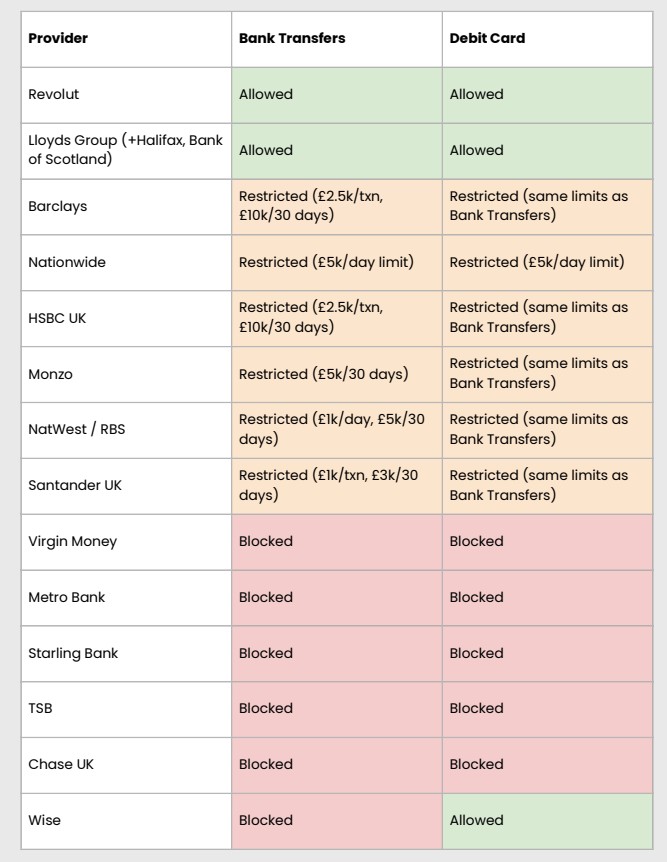
The core of the issue lies in the practical challenges users face. Reports from various jurisdictions, including the UK, show a persistent pattern of banks blocking or delaying transfers to crypto exchanges. These restrictions, often implemented without clear explanation, can lead to significant inconvenience, financial disruption, and a sense of distrust. The experience can be particularly frustrating when users are compliant with all regulations and have no history of suspicious activity. This disparity between the perceived legitimacy of crypto and the actions of some financial institutions fuels frustration.
The Bank’s Perspective: Risk, Compliance, and the Unknown
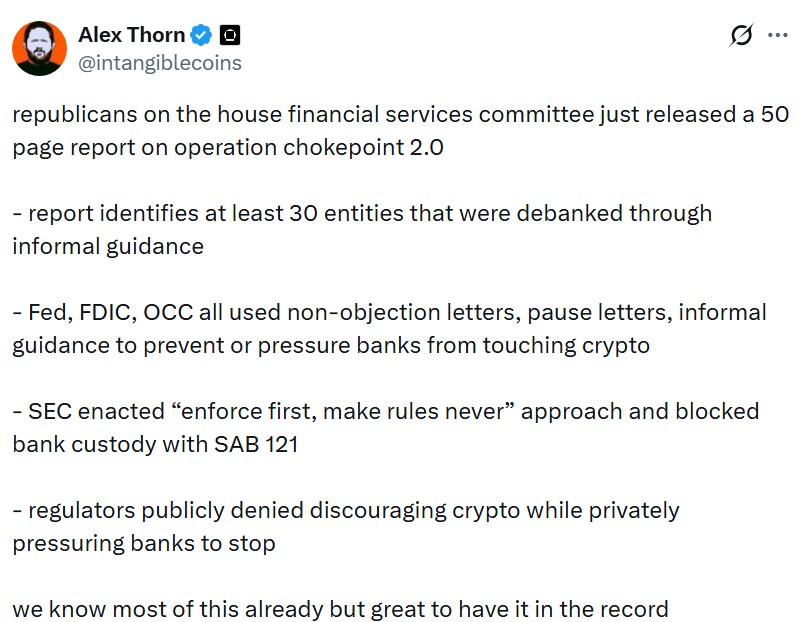
Banks often cite risk management, anti-money laundering (AML), and Know Your Customer (KYC) compliance as justifications for their actions. The inherent volatility and perceived risks associated with cryptocurrencies, coupled with the complexities of monitoring on-chain transactions, make it difficult for banks to assess the risk profile of their customers engaging with digital assets. As a result, many institutions default to conservative measures, sometimes leading to account freezes and restrictions. As Eyal Daskal, CEO of Crymbo, points out, “The problem is that there’s a huge amount of friction because traditional banks don’t really have the internal infrastructure to interpret blockchain data in a way that fits inside their existing risk and compliance frameworks.”
The Road Ahead: Bridging the Gap and Fostering Integration
The future of crypto’s relationship with traditional finance depends on bridging this gap. This requires a multi-pronged approach. Firstly, banks need to invest in the necessary infrastructure and expertise to understand and manage the risks associated with crypto transactions. This involves developing sophisticated tools for analyzing blockchain data, improving risk frameworks, and training staff. Secondly, clearer regulatory guidance is needed to provide banks with a framework for navigating the crypto landscape. Regulators can play a crucial role by providing clarity on acceptable practices and setting standards for compliance. Moreover, fostering dialogue and collaboration between banks, crypto businesses, and regulators can promote understanding and identify solutions. Ultimately, the successful integration of crypto into the financial system relies on a willingness to adapt, innovate, and embrace new technologies.
The On-Chain Alternative: A Path to Financial Freedom?
One potential solution lies in embracing decentralized finance (DeFi). Some crypto advocates encourage users to consider entirely detaching from the traditional banking system and moving finances on-chain. While this is viable in theory, widespread adoption is limited by the current reliance on fiat on-ramps and off-ramps. DeFi’s complexity, regulatory uncertainty, and need for improved user experience and accessibility remain significant hurdles. For now, the integration of crypto with traditional banking, albeit a strained relationship, is essential for mainstream adoption.
Conclusion: A Symbiotic Future Requires Mutual Understanding
The journey of crypto into the mainstream is marked by growing pains. The banking sector’s response presents a critical challenge that necessitates both technical solutions and policy changes. The future of finance will likely be one where both traditional and crypto ecosystems co-exist, but this requires bridging the gap in mutual understanding, risk assessment, and technological adaptation. The banks that proactively adapt to these needs will not only serve their customers better but also position themselves to thrive in a rapidly evolving financial landscape.