The EU’s Regulatory Sandbox: A New Approach
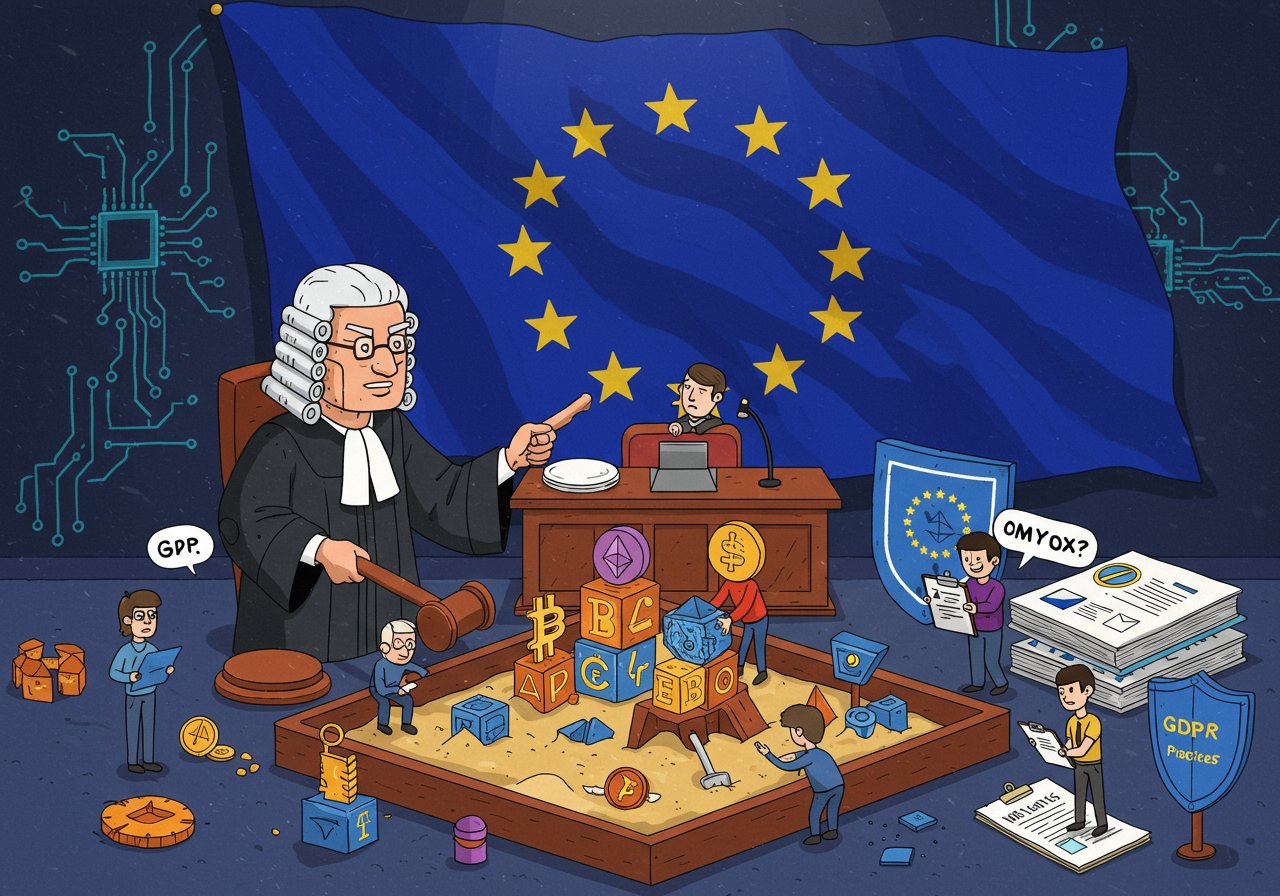
The European Union, often criticized for its cautious approach to innovation, is attempting a novel strategy in the realm of blockchain technology. The European Blockchain Sandbox, an initiative designed to foster innovation within a regulated framework, is gaining attention. This approach, unlike the US’s more fragmented landscape, aims to proactively shape the future of crypto through structured dialogue and early legislation. The initiative, spearheaded by the European Commission, involves confidential dialogues between project developers and regulators, aimed at clarifying how existing laws, including MiCA, apply to blockchain use cases.
MiCA and Beyond: Navigating the Legal Labyrinth
The Markets in Crypto-Assets Regulation (MiCA) has been a pivotal test for the EU’s regulatory ambitions. While some critics initially feared that strict obligations would stifle innovation, the sandbox offers a counterpoint. It demonstrates that early legislation, coupled with regulatory dialogue, can actually enhance clarity and accelerate compliance. The sandbox delves into complex issues, particularly those surrounding smart contracts and the concept of decentralization. Projects explore how their operations interact with existing EU frameworks, not just MiCA, spanning areas like cybersecurity and data governance. This includes navigating the ambiguities surrounding the definition of “fully decentralized” under MiCA, and ensuring smart contracts comply with regulations such as GDPR.
Key Takeaways from the Sandbox‘s Progress
- Compliance as a Tool: The initiative highlights how understanding and adhering to regulations can be an enabler, not a deterrent, for blockchain projects.
- Evolving Regulatory Understanding: The dialogues are helping regulators to deepen their understanding of how blockchain technologies interact with the regulatory frameworks.
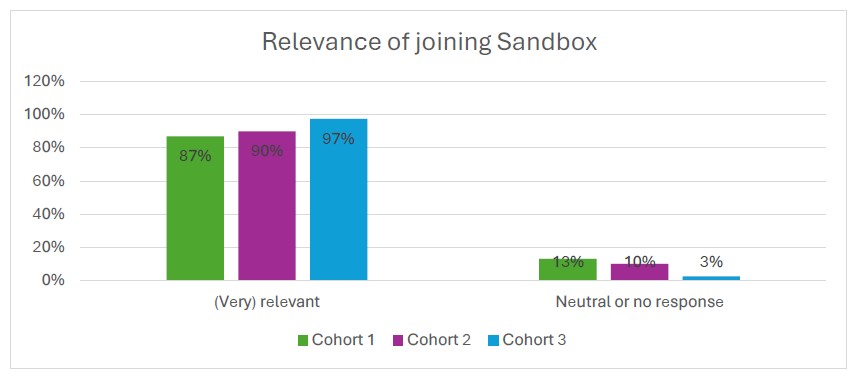
- Focus on Practical Applications: The third cohort saw increasing involvement from “mature” use cases in sectors like energy, healthcare, and AI, indicating a shift towards real-world applications.
Smart Contracts and the Decentralization Debate
A significant focus of the sandbox‘s discussions has been smart contracts. These core building blocks of many blockchain systems are subject to various regulations, including security requirements and GDPR compliance. The initiative acknowledges the need for clarification, harmonization, and standardization in this area, particularly when testing them for compliance. The sandbox is also grappling with the nuanced concept of “full decentralization” under MiCA. The report attempted to lay out a checklist within the limits of how MiCA and the Markets in Financial Instruments Directive are structured, which revealed that many popular DeFi protocols would not be considered fully decentralized.
The European Blockchain Regulatory Sandbox doesn’t grant legal endorsements or regulatory approval, yet its impact is undeniable. The initiative has shown that regulators possess a deeper understanding of blockchain than some might assume. This collaborative approach, if successful, could offer a blueprint for other jurisdictions grappling with how to regulate this rapidly evolving technology. The structured dialogue within the sandbox is designed to clarify the application of existing laws and shape the legal perimeter, ultimately fostering responsible innovation within the European crypto landscape. The insights gleaned from these discussions will undoubtedly influence the future direction of cryptocurrency regulation, making the EU a key player in shaping the global digital asset ecosystem.